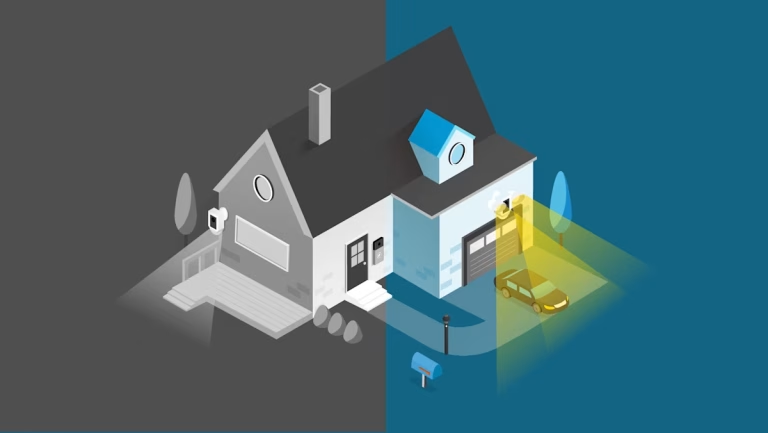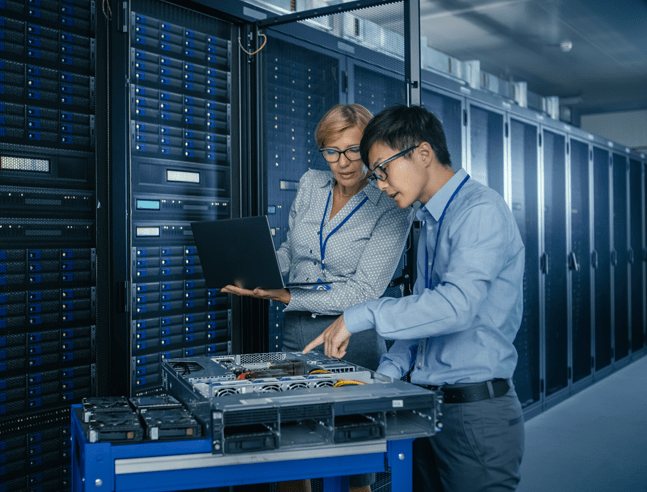
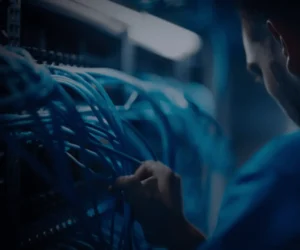


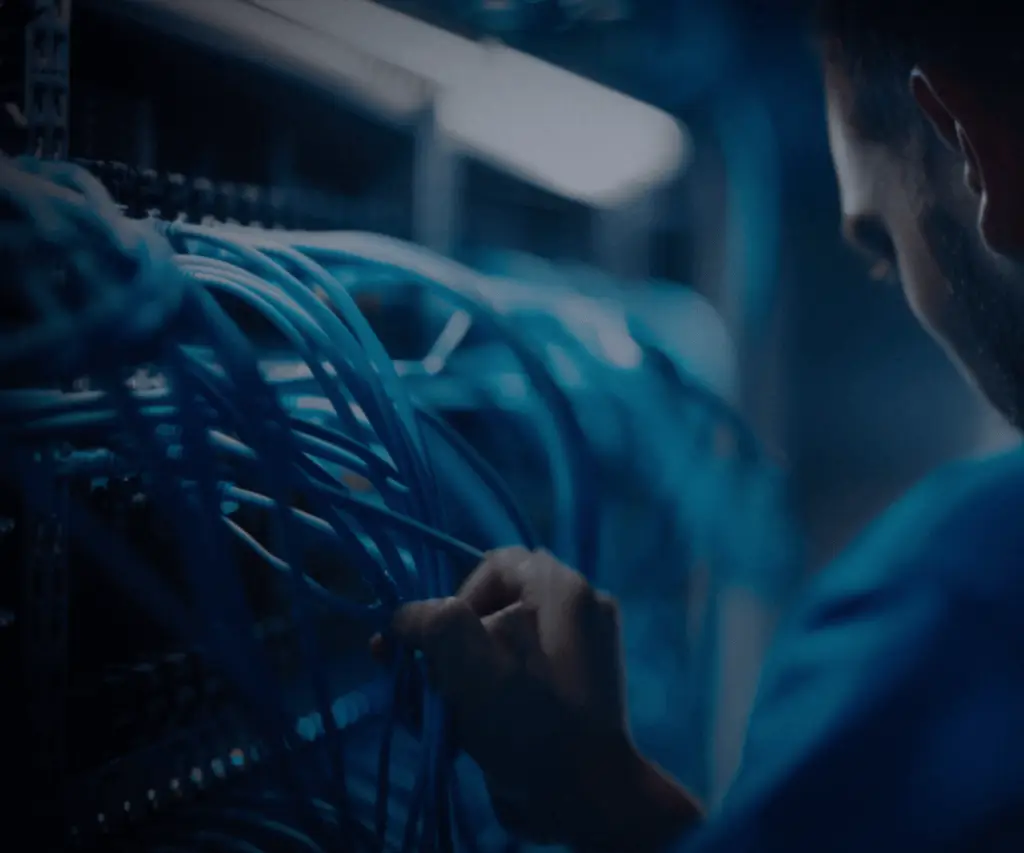
Security has become a critical business priority as organizations face increasingly complex operational risks, cybersecurity concerns, and physical security challenges. From corporate offices and healthcare facilities to manufacturing plants, educational institutions, and government buildings, every facility depends on reliable security infrastructure to protect people, assets, and sensitive information. Investing in secure facility technology systems is no longer simply a preventative measure; it is a strategic decision that supports business continuity, operational efficiency, and long-term resilience.
Instrata specializes in delivering integrated security solutions that help organizations strengthen facility protection while adapting to evolving operational requirements. Modern facilities require more than standalone security devices. They need integrated systems that connect access control, video surveillance, intrusion detection, visitor management, and monitoring into one coordinated platform. When security technologies work together, organizations gain greater visibility into facility operations while reducing vulnerabilities that could disrupt daily activities.
Why Secure Facility Technology Systems Are Essential
The security landscape continues to evolve as facilities become increasingly connected through digital technologies. Traditional security methods often create isolated systems that make monitoring difficult and slow incident response. Integrated secure facility technology systems eliminate these limitations by creating a centralized environment where security teams can manage multiple functions efficiently.
Organizations benefit from technology systems that support both physical security and operational performance. Instead of reacting to security incidents after they occur, intelligent systems provide real-time information that enables faster decision-making and more proactive risk management.
Businesses across various industries recognize that security investments contribute to more than protection alone. Properly designed technology systems can improve operational workflows, support compliance requirements, and reduce long-term maintenance costs.
Core Components of Modern Secure Facility Technology Systems
A comprehensive facility security strategy combines multiple technologies into a unified ecosystem. Each component plays an important role in protecting facilities while enhancing operational visibility.
Access Control Systems
Access control serves as the first layer of facility protection by regulating who can enter specific locations. Modern systems utilize credentials, biometric authentication, mobile access, and identity verification to ensure only authorized individuals gain entry.
Centralized management also allows administrators to modify permissions quickly, reducing administrative complexity while improving overall security.
Video Surveillance
High-definition surveillance cameras provide continuous monitoring of critical locations throughout a facility. Advanced analytics can identify unusual activities, recognize movement patterns, and support investigations when incidents occur.
Cloud-enabled storage and remote monitoring further improve accessibility while supporting secure data management practices.
Intrusion Detection
Intrusion detection technologies monitor facilities for unauthorized access during both operating and non-operating hours. Sensors, alarms, and automated notifications allow security personnel to respond rapidly when suspicious activity is detected.
Early detection helps minimize potential losses while improving overall facility resilience.
Visitor Management
Modern visitor management systems streamline guest registration while maintaining strict security protocols. Digital check-in processes create accurate visitor records, improve accountability, and simplify compliance with organizational policies.
Integrated Monitoring
The greatest advantage of today’s secure facility technology systems lies in integration. Connecting multiple technologies into one management platform provides security personnel with a complete operational picture, allowing faster response times and more informed decision-making.
Benefits Beyond Physical Security
Although protecting facilities remains the primary objective, integrated technology systems deliver several operational advantages that extend throughout an organization.
Improved Operational Efficiency
Automation reduces repetitive administrative tasks, allowing facility managers and security personnel to focus on higher-value responsibilities. Automated alerts, centralized dashboards, and intelligent reporting improve productivity while minimizing manual intervention.
Better Risk Management
Real-time monitoring provides immediate visibility into facility operations. Security teams can identify unusual activities, investigate incidents more efficiently, and implement corrective actions before problems escalate.
Scalability
Organizations evolve over time through expansion, relocation, or operational changes. Flexible security infrastructure allows technology systems to grow alongside business requirements without requiring complete replacement.
Scalable solutions also simplify future upgrades as emerging technologies become available.
Enhanced Regulatory Compliance
Many industries operate under strict security and privacy regulations. Integrated technology systems support compliance by maintaining detailed audit trails, controlling access to sensitive areas, and generating comprehensive reports when required.
Business Continuity
Unexpected security incidents can interrupt operations and create financial losses. Reliable technology systems improve preparedness by supporting rapid response procedures and minimizing operational disruptions.
Emerging Trends Shaping Facility Security
Technology continues to transform how organizations manage facility security. Businesses adopting modern innovations often gain greater flexibility while improving long-term operational performance.
Artificial Intelligence
Artificial intelligence enhances surveillance systems through intelligent video analytics capable of recognizing unusual behavior, identifying potential threats, and reducing false alarms.
Rather than replacing human oversight, AI supports faster decision-making by providing meaningful insights from large volumes of security data.
Cloud-Based Security Platforms
Cloud technology allows organizations to monitor facilities remotely while simplifying software updates and system management. Centralized cloud platforms improve accessibility across multiple locations without requiring extensive onsite infrastructure.
Mobile Credentials
Traditional access cards are increasingly being replaced with secure mobile credentials that enable authorized users to access facilities through smartphones or other digital devices.
This approach improves convenience while reducing administrative costs associated with physical credentials.
Cybersecurity Integration
As facility technologies become more connected, protecting digital infrastructure becomes equally important. Modern security strategies incorporate cybersecurity measures that safeguard communication networks, connected devices, and sensitive operational data.
Best Practices for Implementing Secure Facility Technology Systems
Successful implementation requires careful planning rather than simply purchasing the latest technology.
Organizations should begin by evaluating current risks, identifying operational objectives, and understanding facility-specific requirements. Security assessments help determine which technologies provide the greatest value while eliminating unnecessary investments.
Additional best practices include:
- Develop a long-term security strategy.
- Prioritize system interoperability.
- Train employees on security procedures.
- Schedule regular maintenance and software updates.
- Monitor performance through ongoing reporting and analytics.
- Review system effectiveness periodically as organizational needs evolve.
These practices help maximize technology investments while maintaining consistent security performance.
Selecting the Right Technology Partner
Technology alone does not guarantee effective security. Successful projects depend on experienced professionals who understand facility operations, security requirements, and system integration.
A qualified technology partner evaluates existing infrastructure, identifies operational challenges, and designs customized solutions aligned with business goals. Professional implementation also reduces deployment risks while ensuring long-term reliability.
Instrata delivers advanced technology solutions that help organizations design integrated security environments tailored to their operational requirements. By focusing on scalable infrastructure, intelligent system integration, and long-term performance, facilities can strengthen protection while improving operational efficiency.
Conclusion
Investing in secure facility technology systems is an essential step toward building safer, smarter, and more resilient organizations. Integrated technologies provide greater visibility, improve operational efficiency, strengthen access control, and support faster response to emerging risks. As facilities continue adopting connected technologies, security strategies must evolve alongside them. Instrata helps organizations implement scalable, integrated security solutions that protect people, assets, and critical operations while supporting sustainable growth well into the future.