

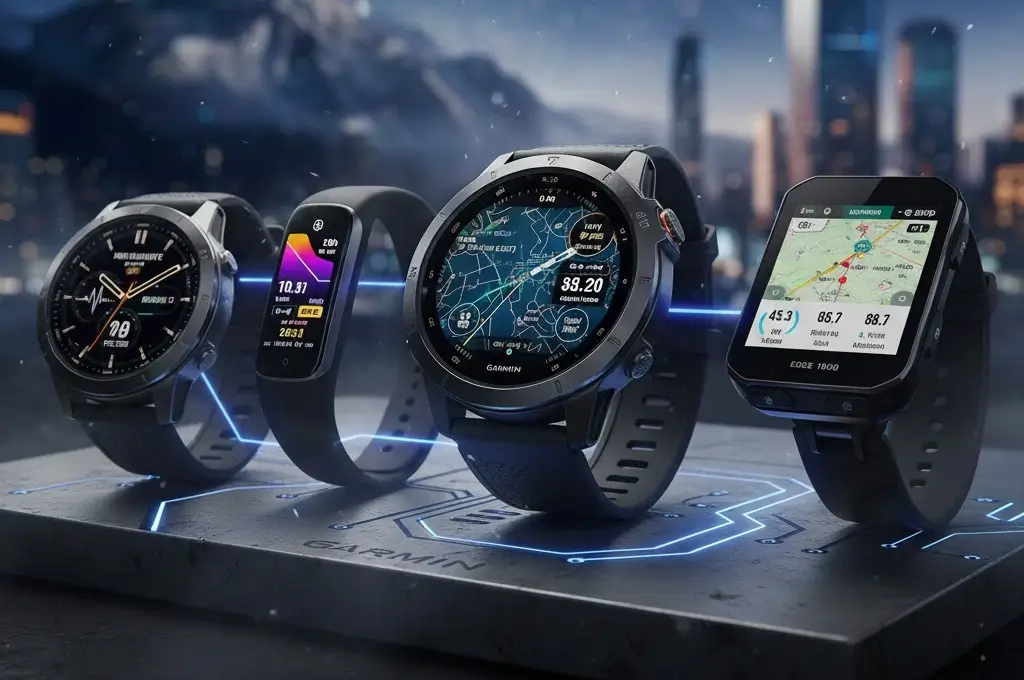
The headline sounds like the kind of upgrade outdoor athletes have been waiting for, but the facts need a harder look. As of June 26, 2026, the Fenix 9 Pro has not been confirmed by Garmin through an official launch page or newsroom post that I could verify. That matters because battery rumors can move faster than product truth, especially when American runners, hikers, hunters, cyclists, and travelers are comparing expensive wrist tech. Garmin’s current confirmed high-end story points to the fēnix 8 Pro, which added inReach satellite and cellular connectivity, AMOLED and MicroLED options, and up to 27 days of battery life in smartwatch mode on select AMOLED models. Clear consumer tech coverage helps buyers separate a coming watch from a confirmed one. The smarter question is not whether the headline sounds exciting. It is whether a Garmin GPS watch can stretch battery life without making the screen, maps, safety tools, or comfort worse.
The Announcement Claim Needs a Reality Check
Launch rumors feel harmless until they start shaping purchases. A person in Colorado may delay replacing a dying trail watch because a YouTube headline says a new model is near. A marathoner in Florida may skip a sale on the current model because “record battery” sounds too good to miss. That is the tension here. The Garmin Fenix line has trained buyers to expect major endurance claims, but a claimed launch still needs a real source behind it.
What Garmin Has Confirmed Instead
Garmin’s official newsroom shows a confirmed fēnix 8 Pro announcement from September 3, 2025, not a ninth-series Pro launch. That confirmed model brought inReach technology to the wrist for satellite and cellular communication, with features like messaging, location check-ins, and SOS support. The company also lists fēnix 8 Pro AMOLED models with up to 27 days in smartwatch mode and a MicroLED model with up to 10 days.
That detail changes the whole story. The loudest rumor is about battery life, but Garmin’s confirmed Pro model shows that adding high-end communication tools can cost power. A brighter screen or satellite hardware may make the watch more capable, yet shorten time between charges.
For a buyer, that trade matters more than a model number. A backpacker on the John Muir Trail does not care whether the name sounds new. They care whether maps, tracking, weather checks, and SOS support can survive the route.
How Rumor Wording Turns Into Buyer Confusion
The phrase “announced with record battery” sounds final. It carries the confidence of a press release even when it may come from leaks, guesses, or wish lists. That is why battery life claims deserve slow reading.
A real launch page usually gives sizes, prices, battery modes, release dates, and footnotes. Rumor pages often give one large number without the boring conditions around it. The boring part is where truth lives.
A counterintuitive point: the biggest battery number is often the least useful number. “Up to” figures may assume low-power settings, fewer sensors, limited satellite use, or a display mode you may not want. A watch can win a spec sheet and still disappoint during a hot 50K race with navigation running.
Why the Fenix 9 Pro Battery Claim Needs a Harder Look
Battery life is not one feature. It is the result of dozens of small choices working together or fighting each other. Screen type, case size, GPS mode, music playback, heart rate sampling, notifications, maps, satellite messaging, and temperature can all change the real result. That is why a Garmin GPS watch with a huge number on the box still needs a buyer’s test, not blind trust.
Battery Life Claims Depend on the Mode
Garmin’s own owner materials say actual battery life depends on enabled features such as wrist heart rate, notifications, GPS, internal sensors, and connected sensors. That is plain language, and it should sit in every buyer’s mind before comparing models.
A trail runner in Arizona using multi-band GPS, turn alerts, a bright screen, and wrist heart rate will drain more power than someone wearing the watch at a desk. Same device. Different life.
This is where record breaking battery life can become a trap. It may be true under one mode and weak under another. A long smartwatch figure tells you little about an all-day hike with maps open and safety tracking on.
The Screen Can Be the Hidden Battery Tax
MicroLED sounds like the future because it gets bright in harsh sun. Garmin’s confirmed fēnix 8 Pro MicroLED model is promoted as its brightest smartwatch, with satellite and cellular connectivity. Garmin also lists that MicroLED version at up to 10 days in smartwatch mode, while the AMOLED Pro model reaches a higher figure on select versions.
That is the non-obvious lesson. Newer display tech does not always mean longer battery life in the product you can buy. A brighter panel may help you read maps on a snowfield or desert ridge, but that brightness must pull energy from somewhere.
For American buyers, this makes the choice personal. A cyclist in sunny Southern California may value outdoor visibility more than a longer charge cycle. A thru-hiker in Maine may take the dimmer screen if it means fewer battery stops.
What American Buyers Should Compare Before Waiting
The best way to shop this category is not to chase the next name. It is to list what you do on the hardest day you expect from the watch. A person training for a city marathon has a different problem from a hunter in Montana or a ski-tourer in Utah. The Garmin Fenix line works because it spans those worlds, but that also makes buying harder.
Price, Size, and Comfort Matter More Than Hype
Garmin priced the confirmed fēnix 8 Pro AMOLED from $1,199.99 and the MicroLED model at $1,999.99 in its launch details. That is not casual money. It is rent, a plane ticket, or a full race weekend for many buyers.
A heavy watch can also bother you more at night than during a workout. Sleep tracking only works well if you keep the device on. If a larger case gives more battery but makes your wrist ache, the bigger model may produce worse health data because you stop wearing it.
Use a simple test before you wait for any rumored upgrade: would you wear a large outdoor smartwatch while sleeping, typing, lifting, and driving? If not, battery gains may not fix the real issue. Your wrist gets the final vote.
For more buyer-style comparisons, a smartwatch buying guide can help you weigh comfort, screen type, and training tools before you spend four figures.
Safety Features Need a Subscription Reality Check
Satellite support sounds like freedom. In practice, you need to understand setup, coverage, plans, and message limits before trusting it. Garmin’s confirmed Pro direction moved safety and communication closer to the wrist, but satellite tools are not magic. They need sky view, setup, and the right service.
That matters in places where the phone fails first: the Wind River Range, rural Alaska, deep canyon country, or back roads with weak service. A safety feature you have not tested is closer to a hope than a plan.
Here is the counterintuitive part. A watch with less battery but dependable SOS tools may be better for some people than a longer-lasting model with no stand-alone communication. Battery is only one kind of safety. Contact is another.
How Long Battery Life Changes Real Training Decisions
Long battery life is not about laziness. It changes how people plan effort. When you stop worrying about charging, you check recovery more often, track hikes without rationing, and use maps without guilt. That is why record breaking battery life gets attention. It promises less babysitting and more trust.
Endurance Athletes Want Fewer Decisions
Runners do not want another tiny job before a race. Charging a watch, checking battery mode, syncing maps, and pairing sensors can turn race morning into a small tech chore. A longer-lasting battery removes one decision.
Think about a 100-mile race in the western U.S. Aid stations already bring enough choices: socks, food, water, poles, jacket, headlamp. The watch should not become another worry. If a device can track the full effort with navigation and health data intact, it changes how calm you feel at the start line.
Still, more battery can make people careless. They may skip checking settings because the watch “always lasts.” That is how a dim map, wrong GPS mode, or dead sensor surprises someone at mile 42. Long battery helps, but discipline still wins.
Weekend Users Need Honest Numbers Too
Most buyers are not racing ultras. They are walking the dog, lifting, running after work, hiking on Saturdays, and checking sleep on Monday morning. For them, the best battery feature may be boring consistency.
A Garmin GPS watch that lasts through a normal American week is valuable because it fits life. You can travel from Dallas to Denver, run twice, hike once, sleep-track every night, and return home without packing a charger.
The catch is that “normal week” means something different for each person. Music streaming, bright always-on display, daily GPS workouts, and constant alerts can shrink the number fast. A running watch comparison should compare real use cases, not only lab-style claims.
Conclusion
The smart move is to treat the current headline as a signal, not a fact. Garmin’s confirmed premium path already shows where the category is going: longer endurance, brighter screens, richer maps, and more safety tools on the wrist. The Fenix 9 Pro may become the name buyers watch for next, but the buying decision should still come down to verified specs, real battery modes, comfort, and price. A big battery claim is useful only when it matches how you train, travel, and live. Do not wait because a rumor sounds bold. Wait only if the next model solves a problem your current watch cannot handle. Until Garmin publishes the details, the best upgrade is a sharper buying filter.
Frequently Asked Questions
Has Garmin officially announced the new model yet?
No confirmed Garmin launch page or newsroom post verified a ninth-series Pro model as of June 26, 2026. The current official premium Pro story points to the fēnix 8 Pro, which added satellite and cellular features.
Is record battery life realistic for a premium Garmin watch?
Yes, long battery life is realistic, but the mode matters. Smartwatch mode, GPS mode, always-on display, music, maps, and satellite tools can create different results. The largest number is rarely the number heavy users see.
Should I wait for the next Garmin flagship?
Wait if your current watch still works and you want confirmed gains in battery, screen, safety, or maps. Buy now if you need reliable tracking soon and the current fēnix models already match your training needs.
What is the biggest battery drain on outdoor watches?
The biggest drains are usually GPS tracking, bright screens, always-on display settings, music playback, navigation, notifications, and connected sensors. Satellite communication can also reduce battery during remote use.
Is MicroLED better than AMOLED for outdoor use?
MicroLED can offer stronger brightness in harsh outdoor light, which helps map reading and glance checks. That does not always mean longer battery life. Screen choice should match your routes, sunlight, and charging habits.
Who needs satellite messaging on a watch?
It makes sense for hikers, hunters, cyclists, trail runners, skiers, boaters, and rural travelers who may leave phone coverage. City runners may not need it unless they often train alone in low-signal areas.
What should I check before buying a high-end Garmin?
Check case size, weight, battery modes, map support, GPS accuracy, comfort during sleep, screen visibility, safety tools, subscription costs, and return policy. A premium spec sheet means little if the watch feels wrong.
Are current Garmin models still worth buying?
Yes, many current models remain strong choices if they match your use. A confirmed watch with known trade-offs can be safer than waiting for a rumored model with unknown pricing, size, and battery behavior.