

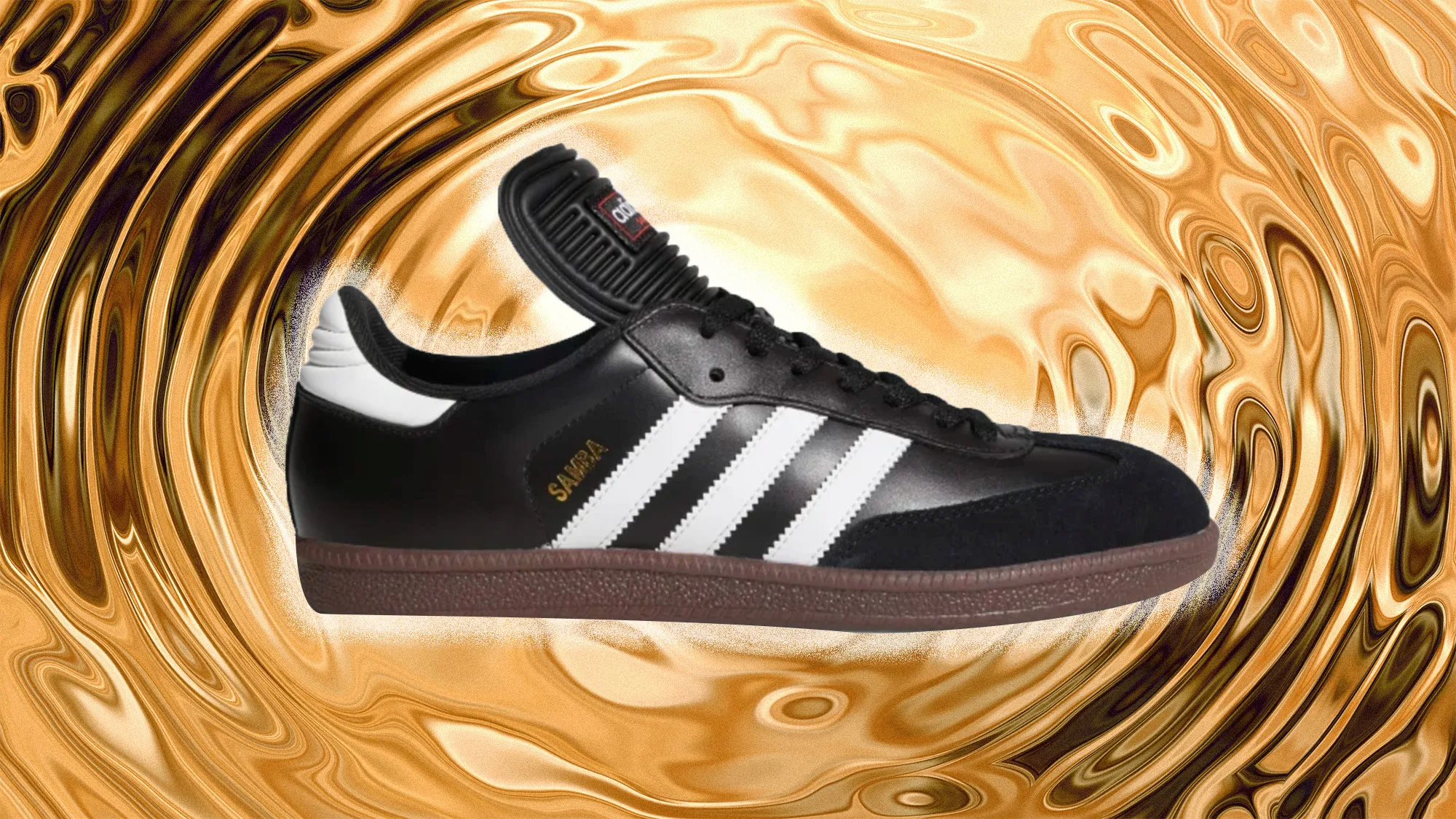
The funny thing about a shoe like the Samba is that it does not look hungry for attention. Adidas Samba restocking matters because U.S. shoppers have watched this low, slim sneaker move from soccer-rooted staple to mall-floor chase, campus uniform, airport shoe, and resale bait. That is a strange climb for a pair built around leather, suede, laces, and a gum sole. No giant bubble. No loud tech story. Still, when pairs return to carts, people notice. The smarter move is not to buy in a panic. It is to understand why the demand keeps coming back, which colors make sense, how sizing can trip you up, and where hype can turn an easy purchase into an expensive mistake. A good return is less about beating everyone else and more about buying the pair you will wear past the first Instagram post. For readers who follow consumer trends through retail and culture coverage, the Samba story is useful because it shows how a plain shoe can outlast noisier drops.
Why Adidas Samba Restocking Still Feels Different
Most sneaker returns feel like a brand feeding the machine. This one feels stranger because the shoe never depended on shock. Samba sneakers became a chase item by being wearable, not wild, and that makes the demand harder to kill. A loud shoe burns bright, then sits in the closet once the joke gets old. A low-profile leather pair keeps finding new jobs in real life, from jeans on a grocery run to wide trousers at dinner.
The tension is easy to miss. People say they are tired of hype, then still refresh product pages when a familiar pair comes back. That does not make them fake. It means the shoe solves a daily problem. In a market full of oversized soles and loud color stories, a narrow, old-school silhouette can feel like relief.
The shoe looks familiar before you own it
A big part of the pull is memory. You may have seen the shape on soccer kids, indie bands, downtown office workers, or your cousin who somehow dressed better without trying. That does not mean every pair carries the same meaning. It means the design has enough history to feel safe and enough cultural friction to feel current.
The non-obvious part is that familiarity can create more desire than surprise. Shoppers often say they want something new, yet the pair they chase is the one they already know how to wear. The Samba sits in that sweet spot. It looks like it belongs in your closet before the box lands at your door.
That is why Adidas Samba shoes keep returning to wish lists even as other low-top options crowd the market. The shoe does not ask you to rebuild your style around it. It slides into what you already own, then makes the outfit feel sharper.
In a New York office, that might mean a black pair under relaxed wool pants on a Friday. In Phoenix, it might mean a white pair with faded denim and a work shirt. The same shoe bends into both scenes because it leaves room for the wearer.
Restocks reward patience, not panic
The first mistake is treating every return like a once-in-life drop. For core colorways, stock can come in waves through brand stores, sneaker shops, and larger retailers. You may miss one size run and still find a pair later if you track calmly. That is not glamorous advice. It saves money.
Panic creates bad buys. Someone sees a size 9.5 vanish, buys a 9, then spends the next three months pretending tight toes are normal. Another shopper pays a resale premium for a color that comes back the following week. This happens often with shoes that sit between fashion and everyday wear.
A smarter plan starts with one question: would you buy this exact pair if no one else cared? If the answer is no, close the tab. Scarcity can make a plain shoe look like a trophy. Your feet will not care how rare it felt at checkout.
The better habit is almost boring. Keep a short list, not a dozen tabs. Pick the pair you want before the sale mood hits. If the page sells out, you have lost a chance, not a personality trait. That small emotional reset keeps the shoe in its proper place.
What U.S. Shoppers Should Know Before Buying
The U.S. buying experience has its own quirks. Sizes move fast in common ranges, local sneaker boutiques may receive small batches, and big retailers can show stock that changes by the minute. The friction is not always fake. Still, shoppers often confuse low supply in one color with low supply across the whole model. That is where money gets wasted.
There is also a regional rhythm. A college town store may sell through smaller sizes first. A suburban mall may have more neutral pairs than fashion-forward editions. A downtown boutique may post on Instagram before its website updates. None of this guarantees a win, but it tells you where to look.
Treat those differences as clues, not promises. The same shopper in Atlanta might strike out online at breakfast and find a pair by calling a neighborhood shop after lunch. Human contact still matters in sneaker buying.
How to check sizes and colors before the drop feels crowded
Start with the pair you can wear three times a week. For many Americans, that means black, white, off-white, navy, or a brown-leaning neutral. Bright pairs can look good, but they demand more from the closet. A red or green accent may age well. A loud patterned pair may feel tired after two weekends.
Sizing deserves more care than hype videos give it. Some shoppers find the shape narrow through the forefoot, especially on the OG-style build. Wider feet may need a try-on, a half-size change, or a different Samba variant. Do not treat every short video review as a sizing rule. Feet are not content templates.
Before you chase a sneaker restock, write down your safe size, your backup size, and the color you will skip. The skip matters. It keeps you from buying a consolation pair that looked tempting only because your first choice sold out.
Try this test at home before buying online: pull out the pants you wear most and place them beside the shoe color you want. If the pair only works with one outfit, it may still be fun, but it is not your daily choice. Daily shoes should pass boring tests.
Where a sneaker restock can turn messy
The messy part usually starts after the first cart error. You refresh, open four tabs, check a marketplace, and suddenly a normal shoe feels like rent-week stress. That mood is exactly when bad sellers win. Fake sites often borrow product photos, copy brand language, and dangle a price that feels lucky.
Use boring checks. Confirm the seller name, return policy, shipping terms, and payment protection. The FTC’s online shopping guidance is worth reading because it explains what to check before sending money to a site you do not know. That is not sneaker-head drama. It is basic self-defense.
Here is the counterintuitive part: the lowest price can be the costliest option. A $20 discount means nothing if the site sends nothing, ships the wrong size, or makes returns painful. Safe buying is part of the style decision, not a separate chore.
Also watch for marketplace photos that hide the parts buyers should inspect. You want clear shots of the toe, heel, tongue label, outsole, box tag, and side branding. A seller who shows ten moody angles and no clean details is asking you to trust vibes. Do not.
Why the Samba Keeps Working With American Closets
The shoe’s staying power comes from how average outfits changed. Americans now dress in a softer middle zone: not office formal, not gym sloppy, not full streetwear costume. The Samba fits that middle better than bulkier sneakers. It has enough shape to look intentional and enough ease to handle daily life.
That middle zone shows up everywhere. A teacher wants shoes that work with chinos. A barista wants something low enough for cuffed pants. A young parent wants a pair that looks put together at school pickup without feeling precious. The Samba keeps winning because it meets people inside those ordinary days.
The flat sole changed the outfit formula
For years, big sneakers carried the outfit. Chunky soles added height, weight, and visual noise. Then trousers got wider, denim relaxed, and people wanted shoes that did not fight the hem. A slimmer sole made sense again. It let the pant sit clean.
That small shift matters. With straight jeans, the Samba does not swallow the ankle. With pleated pants, it keeps the look casual without turning it sloppy. With shorts, it reads more like a terrace shoe than a running shoe. The pair changes the mood without shouting.
This is why low-profile sneaker styling guide content keeps gaining value. People are not only asking where to buy. They want to know how to make the shoe feel adult, relaxed, and not copied from a feed. The answer usually starts with proportion.
There is a lesson here for anyone buying because of search buzz. The shoe is not magic. The pant break, sock choice, and color balance still do the work. A slim sneaker can make an outfit feel cleaner, but it can also expose messy proportions faster than a bulky runner.
Why simple colors beat loud editions
Limited colors can be fun, but the pairs that earn their keep tend to be the calmer ones. White with black stripes. Black with white stripes. Cream. Brown. Navy. These versions do not need a matching outfit. They handle imperfect closets.
The hidden advantage is repeat wear. A quiet pair looks less memorable, which sounds like a weakness until you realize that is why you can wear it more often. Nobody notices the same neutral sneaker three days in one week. They notice a neon pair by lunch on day one.
Samba sneakers also carry a useful tension. They are sporty by origin but not gym-coded in daily outfits. That gives them range. You can wear them with a thrifted jacket in Chicago, relaxed chinos in Austin, or a linen shirt in San Diego, and the shoe does not feel like it wandered into the wrong room.
This is where American shoppers can get honest. If your closet is mostly hoodies, denim, work pants, and weekend layers, a calm color will beat a collector color most of the time. The rare pair may win comments. The neutral pair wins Tuesdays.
How to Buy Without Getting Played by Hype
A restock can be useful, or it can become a mirror for bad shopping habits. The difference is planning. When you know your size, your color limit, and your real budget, a returning shoe becomes a normal purchase again. When you do not, the checkout page starts making decisions for you.
The market wants you to treat every miss as a loss. That is how buyers get trained to move faster than their own judgment. A better shopper slows the moment the page speeds up. That tiny pause can save you from a pair you never wanted until the size bar turned red.
A useful rule is to separate desire from urgency. Desire says the shoe fits your life, your clothes, and your budget. Urgency says someone else might get it first. Only one of those reasons will matter when the package arrives. Let the calmer reason win before you pay, or walk away clean.
Compare the cart price with the pair you will wear
A pair is not worth the same amount to every buyer. If you will wear black Sambas twice a week for a year, retail pricing may make sense. If you want a rare color because the photo looked good for ten seconds, even a small markup can be too much. Wear count beats hype count.
Look at your current shoes before adding another pair. If you already own three flat leather sneakers, ask what this one does better. Maybe it replaces a worn daily pair. Maybe it fills a color gap. Maybe it gives you a slimmer shape for wider pants. That is a reason. “Everyone is buying it” is not.
Adidas Samba shoes are at their best when they become ordinary in your life. That sounds backwards, but it is true. The best pair is the one that stops feeling like a purchase and starts feeling like the default by the door.
A useful price test is simple: divide the full cost by your likely wears in the first six months. A pair worn 40 times at retail can be a better buy than a discounted pair worn twice. Cheap shoes can still be expensive if they sit untouched.
Build a plan for your next sneaker restock
A simple plan works better than a dozen alerts. Pick two trusted retailers, create accounts ahead of time, save your shipping details, and know your size range. Check return rules before the drop mood hits. Then set a price ceiling and obey it.
You can also track returns without letting them own your day. Check in the morning, at lunch, and once in the evening. That is enough for most shoppers. If a shoe requires constant refreshing for a pair you only half want, the shoe is already taking more than it gives.
For readers building a broader closet, smart sneaker buying checklist content can help separate useful purchases from online noise. The real win is not buying every talked-about shoe. It is knowing which talked-about shoe will still make sense when the timeline moves on.
A final practical move: decide your return threshold before the box arrives. If the toe pinches, the heel slips, or the color feels wrong in daylight, send it back if the policy allows. Keeping a bad fit because the internet liked the shoe is not style. It is storage.
Conclusion
The Samba’s return to carts says more about shoppers than it says about one model. People want shoes that feel easy, familiar, and sharp without turning every outfit into a performance. They also want the small thrill of catching stock at the right moment. That mix is powerful. Adidas Samba restocking is not a signal to buy blindly, though. It is a reminder to slow down before the checkout page starts acting like a countdown clock. Choose the color you will wear, respect your actual foot shape, and avoid sellers that make the deal feel suspicious. Think past the drop day. Think about the first scuff, the fifth outfit, the rainy errand, and the morning when you need shoes without thinking. That is where the right pair proves itself. The best sneaker purchase is rarely the most dramatic one. It is the pair that keeps earning space by the door long after the search spike fades. Buy with that standard, and the hype loses its grip.
Frequently Asked Questions
How often do Samba sneakers come back in stock?
Core colorways may return through Adidas, larger retailers, and sneaker boutiques at different times. There is no single public schedule for every size and color. Check trusted sellers, save your size, and avoid overpaying after one missed drop.
Are Adidas Samba shoes true to size?
Many shoppers find them close to true to size, but the forefoot can feel narrow. Wide feet may need a half size up or a try-on before buying. Return policies matter because small fit differences can decide whether the pair becomes wearable.
What is the best Samba color for everyday wear?
Black, white, cream, navy, and brown-leaning pairs are the easiest choices. They work with denim, chinos, shorts, and relaxed trousers. Loud colors can look great, but neutral pairs usually deliver better cost per wear.
Is a resale pair worth buying after stock sells out?
Resale can make sense for a rare color you have wanted for a long time. It is not smart for a core pair that may return later. Add shipping, fees, and risk before deciding whether the markup still feels fair.
How can I avoid fake Samba listings online?
Buy from Adidas, known retailers, or trusted marketplaces with buyer protection. Check the seller history, return rules, product photos, and payment method. Prices far below normal should raise suspicion, especially on sites with weak contact details.
Why are low-profile sneakers popular again?
They fit the way many people dress now. Wider pants, relaxed denim, and cleaner casual outfits often look better with a slim shoe than a bulky runner. The shape feels easy without looking careless.
Can I wear Sambas for walking all day?
They can work for casual walking, but they are not built like cushioned running shoes. For long travel days or standing-heavy work, comfort depends on your feet, socks, and support needs. Try them indoors before committing to a full day.
Should I buy a limited Samba color or a classic pair first?
Start with a classic pair unless you already know your closet supports the limited color. A quiet color earns more wear and gives you a better baseline. After that, a special edition can make sense as a second pair.