



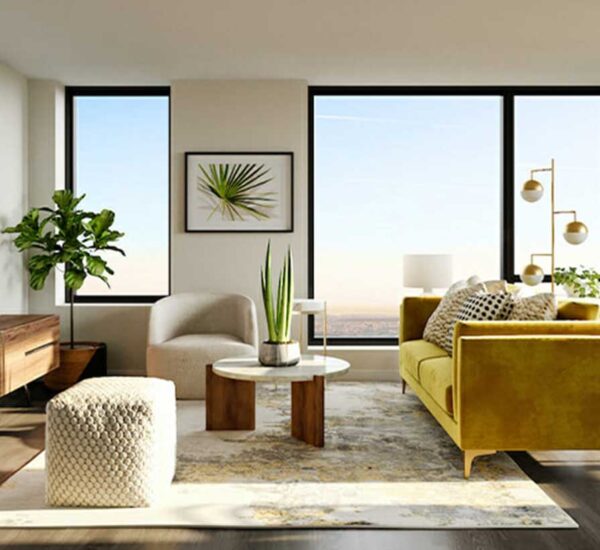
A home can look polished and still feel cold. You notice it when the sofa looks perfect, the shelves are styled, the rug matches, and yet nobody wants to linger in the room after dinner. The best home decor tips do not begin with buying more things; they begin with noticing how you live. In the United States, where homes range from city apartments to suburban houses and compact condos, comfort has less to do with square footage and more to do with choices that support daily life. A room should welcome your routines, soften the noise of the day, and make ordinary moments feel easier. For homeowners, renters, and design-minded readers browsing home improvement ideas, the goal is not to copy a showroom. The goal is to create a place that feels settled, personal, and ready for real use. That takes taste, yes, but it also takes restraint, patience, and a willingness to let comfort lead the design.
Start With How the Room Needs to Feel
Good decorating begins before a cart gets filled or a paint sample hits the wall. A room has a job, and comfort depends on knowing that job before you dress it up. A family room in Ohio that hosts game nights needs a different mood than a studio apartment in Brooklyn where the same corner handles reading, work, and dinner. Style matters, but feeling comes first.
Why cozy living room choices should follow your actual habits
A cozy living room does not happen because someone bought a chunky throw blanket and called it done. It happens when the room supports the way people naturally sit, talk, snack, watch, stretch out, and unwind. A sofa that photographs well but sits too stiff will annoy you every night, and annoyance has a way of ruining even the prettiest design.
American homes often carry pressure to look “finished,” especially when open floor plans put the living area on display from the kitchen. That pressure can push people toward matching sets, oversized sectionals, and decor that looks tidy but feels staged. Comfort asks a better question: where do your shoulders drop when you walk in?
Texture helps answer that question. Cotton, linen, wool, velvet, leather, woven baskets, and wood all send different signals to the body. A room with only slick surfaces feels alert and formal, while a room with layered textures feels more forgiving. The trick is not piling on soft items. The trick is mixing surfaces so the room feels lived in without feeling messy.
Choosing a mood before choosing a color
Color should support the room’s emotional role instead of carrying the whole design alone. A bedroom painted bright white can feel peaceful in a sunny California bungalow, but the same shade can feel harsh in a northern apartment with weak winter light. Paint never acts alone. It reacts to weather, windows, flooring, furniture, and the hour of the day.
Neutrals work best when they have temperature. Cream, mushroom, clay, sand, taupe, olive-gray, and soft brown often feel calmer than flat white or builder beige. Those shades give a room a grounded base without locking you into one style. They also make personal objects look more natural, which matters because comfort grows from recognition.
A bold color can still work, but it needs a clear role. A navy den, a rust dining nook, or a deep green reading corner can feel cocooned rather than dark when the room has enough lamps, breathable spacing, and lighter contrast nearby. Color should guide the nervous system, not shout over it.
Make the Layout Work Before You Decorate Around It
A room that fights movement will never feel restful. You can spend money on art, pillows, candles, and accessories, but poor spacing will keep the room tense. The body knows when a path is blocked. It knows when a chair sits too far from conversation or when a coffee table steals knee room. Comfort starts with the map.
How furniture layout changes the way people behave
Furniture layout controls more than traffic flow. It shapes connection. When chairs face a television and nothing else, the room tells people to watch, not talk. When seating turns inward, even slightly, the room invites eye contact. That shift can change how a family spends an evening.
Many U.S. living rooms are arranged against the walls because people assume open floor space makes a room feel larger. Sometimes it does. More often, it leaves the center feeling empty and the seating feeling disconnected. Pulling a sofa even six inches off the wall can make a room feel more intentional, especially when a rug anchors the seating area.
Scale matters here. A giant sectional may seat many people, but it can also flatten a room into one heavy block. Two smaller sofas, a sofa and two chairs, or a slim bench near a window may create better movement. The right arrangement gives people choices without making the room feel crowded.
Why small space decorating demands sharper decisions
Small space decorating rewards honesty. A compact apartment in Chicago or a townhome in Austin cannot absorb random purchases the way a large house can. Every piece has to earn its keep, and that pressure can become an advantage. Smaller rooms often feel more personal because there is less room for filler.
One common mistake is choosing tiny furniture for tiny rooms. A small sofa, small rug, small table, and small lamps can make a room feel nervous and scattered. One generous anchor piece often works better. A full-size rug, a comfortable sofa with clean arms, or a tall bookcase can give the room confidence.
Storage should blend into the rhythm of the space. Closed cabinets hide the visual noise that open shelves often create, while baskets under benches can catch blankets, toys, or shoes before clutter spreads. A room does not need to look empty to feel calm. It needs a place for the things that usually get abandoned.
Layer Light, Texture, and Personal Detail
After the room has a purpose and a working layout, the atmosphere can deepen. This is where many spaces either become memorable or drift into catalog territory. The difference often comes down to light, touch, and personal detail. A home should show signs of a life being lived there, not evidence of a single shopping trip.
Why warm lighting changes comfort faster than decor
Warm lighting can rescue a room that feels harsh after sunset. Overhead lights often flatten everything, especially in rentals with basic fixtures. A single ceiling light throws shadows in unhelpful places and makes even soft furniture feel exposed. Lamps bring the room back down to human scale.
A good lighting plan usually has three layers: general light, task light, and mood light. A floor lamp near a chair supports reading. A table lamp near a sofa softens conversation. A small lamp on a kitchen counter can make an open-plan space feel calm at night, even after the dishes are done.
Bulb temperature matters more than many people expect. Cooler bulbs can work in garages, laundry rooms, and task zones, but living spaces usually feel better with warmer bulbs. That glow makes wood richer, skin tones softer, and evenings slower. It is a small change with an outsized effect.
Let personal objects carry some design weight
A room with no personal objects often feels like a lobby. It may look clean, but it does not feel rooted. Family photos, inherited bowls, travel books, local art, framed children’s drawings, old records, or a ceramic piece from a weekend market can give a room emotional weight that new decor cannot fake.
The key is editing, not hiding. Too many keepsakes can blur into visual noise, while too few can make a room feel anonymous. Pick objects that still make you pause for a second. Display them with breathing room, and they will feel chosen rather than dumped.
Personal detail also keeps trends in check. A trendy lamp beside a chair from your grandmother has more character than a room built from one retail collection. The mix tells a better story. Comfort grows when a space feels connected to time, memory, and use.
Build Comfort Through Maintenance, Not Perfection
The most comfortable homes are not frozen in place. They adjust. A throw moves from one chair to another, a table shifts for guests, a basket fills and gets emptied, a plant finds better light. The room stays alive because the people living there keep listening to it.
Create systems that make tidy living easier
A beautiful room that takes too much effort to maintain becomes a burden. The point is not constant neatness. The point is making reset easy enough that the space can recover from daily life. That means trays for remotes, hooks near doors, washable covers where kids or pets gather, and side tables near every seat that gets regular use.
Entry areas need special attention because they set the tone for the whole home. A narrow console, wall hooks, a shoe basket, or a simple bench can stop clutter before it travels deeper. Many American homes treat the entry as an afterthought, then wonder why the living room becomes a drop zone.
Maintenance also includes knowing what not to own. Extra pillows that get thrown on the floor every night are not decor; they are chores wearing fabric. A table covered in objects that must be moved before anyone can set down coffee is not styled; it is inconvenient. Comfort has a low tolerance for things that keep getting in the way.
Refresh the room without restarting from zero
Small changes can keep a room from going stale. Rotating art, changing pillow covers, moving lamps, swapping a rug between rooms, or bringing in seasonal branches can shift the mood without turning decorating into a full project. The room gets a new note without losing its base.
Warm lighting deserves a second look during seasonal changes. In much of the U.S., winter evenings arrive early, and rooms that felt fine in July can feel flat in January. Adding one low lamp or moving an existing one to a dark corner can make the space feel cared for again.
Small space decorating also benefits from these gentle resets. When every item is visible, boredom arrives faster, but so does improvement. Moving one chair, clearing one shelf, or replacing one bulky table can change the whole room. Progress does not need drama. It needs attention.
Conclusion
A comfortable home is built through decisions that respect real life. The best rooms do not demand perfect behavior from the people inside them. They forgive shoes by the door, late-night snacks, busy mornings, pets on the rug, and guests who pull chairs into better spots. That kind of home comes from seeing decor as support, not performance. Home decor tips matter most when they help you notice what the room is asking for: softer light, better spacing, fewer obstacles, more texture, or one object that actually means something. Start with the place where your home feels least welcoming at the end of the day, then make one change that improves how you move, rest, or gather there. Do not chase a flawless room; build a room that keeps earning your return.
Frequently Asked Questions
What are the best home decorating ideas for a comfortable living room?
Start with seating that supports conversation and rest, then add layered light, soft textures, and enough table space for daily use. A comfortable living room should feel easy to enter, easy to use, and easy to reset after normal life happens.
How can I make a small home feel more comfortable?
Choose fewer pieces with better scale, keep pathways open, and use closed storage to reduce visual clutter. A small home feels better when every item has a role and the room gives your eyes a few calm places to land.
What colors make a room feel warm and inviting?
Cream, clay, taupe, olive-gray, muted terracotta, soft brown, and warm white often create an inviting mood. The right choice depends on natural light, flooring, and furniture, so test paint at different times before committing.
How do I decorate my home on a budget?
Move furniture first, then improve lighting, edit clutter, and reuse what you already own in better places. Budget decorating works best when you fix the room’s function before spending money on accessories that may not solve the problem.
What makes a house feel cozy instead of cluttered?
Coziness comes from texture, scale, light, and personal detail, while clutter comes from items with no clear place or purpose. Keep meaningful objects visible, store daily mess well, and leave open surfaces where the room needs breathing space.
How should I arrange furniture in a family room?
Arrange seating around connection, not only the television. Keep walkways clear, place tables within reach, and make sure chairs sit close enough for natural conversation. A family room should support movement, gathering, and relaxed downtime.
What lighting is best for a relaxing home?
Use lamps at different heights instead of relying only on overhead fixtures. Warmer bulbs, shaded lamps, and low evening light help rooms feel calmer. Task lighting still matters, but living areas usually need softness after the day winds down.
How often should I update my home decor?
Refresh your home when the room stops supporting your routines, not when a trend changes. Seasonal shifts, new work habits, children growing, or changed entertaining needs are better reasons to adjust decor than chasing every new style