


A weak movie night does not fail because the film is bad. It fails because the room feels random, the snacks arrive late, everyone argues over what to watch, and the whole evening starts to feel like scrolling with extra steps. Movie Night Ideas work best when they treat the night as a shared experience, not a screen with people sitting around it. Across American homes, from apartments in Chicago to suburban living rooms in Texas, movie nights have become a low-pressure way to bring people together without paying theater prices. The trick is building enough intention into the evening that it feels special without turning it into a chore. A good plan handles comfort, food, timing, and mood before anyone hits play. Even small choices, like dimming lamps or setting snacks within reach, can turn ordinary home entertainment into something people remember. For anyone building a cozy routine or planning home media planning around family time, the goal is simple: make the room feel like the night belongs to everyone.
Building a Movie Night Ideas Plan That Feels Effortless
Great nights at home rarely happen by accident, but they should feel as if they did. The best planning hides in plain sight: the seats are ready, the remote works, the volume fits the room, and nobody has to pause the film because someone forgot napkins. This is where many American households miss the mark. They focus on picking a title and forget that the setting decides whether people stay engaged.
How to Match the Movie to the Mood
The best streaming choices start with the room, not the platform. A quiet Friday after a long workweek calls for something easier than a dense three-hour drama, while a Saturday gathering with friends can handle bigger laughs, louder reactions, and a film that gives people room to talk afterward. The point is not to pick the most praised movie. The point is to pick the one the night can carry.
Families need a different filter. A family movie night works better when the youngest viewer can follow the story and the adults still have something to enjoy. Animated films, sports stories, adventure comedies, and nostalgic classics often hold that middle ground well. The hidden win is emotional range: enough humor for kids, enough wit for adults, and enough pace that no one drifts toward their phone.
Streaming choices also become easier when you limit the options before everyone sits down. Endless browsing drains the room before the movie even starts. Pick two or three titles in advance, give people a fast vote, and move on. Decision fatigue is the villain nobody names, but it ruins more movie nights than bad popcorn.
Why Timing Changes the Whole Evening
A movie night that starts too late often becomes background noise. People are tired, kids get restless, and the second half of the movie turns into a battle against sleep. For most U.S. families, especially on school nights or Sundays, the sweet spot sits earlier than people think. Starting at 7 p.m. can feel more relaxed than pushing everything toward 9.
Timing also affects food. Heavy dinners right before a film can make the room sluggish, while snacks with no real plan can leave everyone grazing without feeling satisfied. A better rhythm is simple: dinner first if needed, a short reset, then snacks as the movie begins. That small pause gives the night a clean start.
Adults hosting friends should think about arrival time differently. Build in twenty minutes before the movie for people to settle, grab drinks, and get the first round of chatter out of their system. Pressing play the moment guests walk in feels stiff. Waiting too long turns the movie into an afterthought.
Making the Room Feel Like a Small Theater
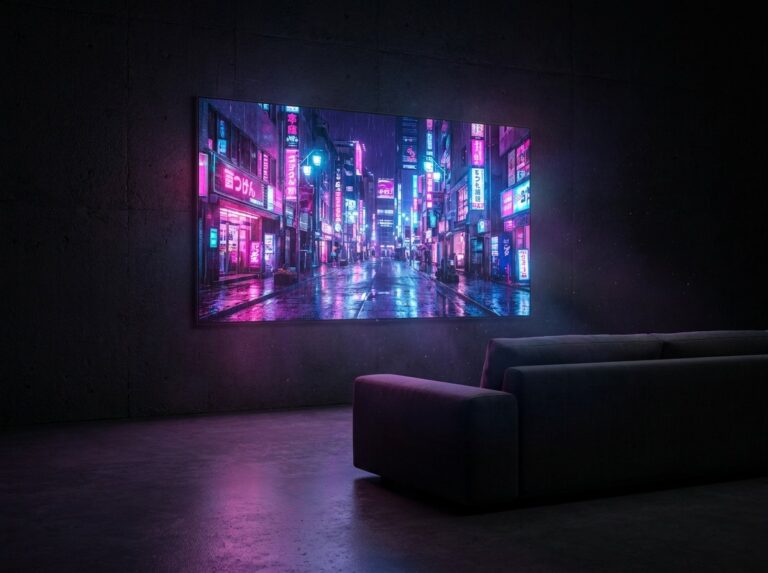
The room carries more weight than most people admit. A decent movie in a well-set space feels better than a great movie in a bright, messy room with weak sound and stiff seating. Home entertainment is not about copying a theater perfectly. It is about giving the senses fewer reasons to complain.
Home Theater Setup Choices That Matter Most
A home theater setup does not need a massive screen or expensive gear to feel good. The first priority is sightline. Everyone should be able to see the screen without leaning, twisting, or sitting too far off to the side. That sounds obvious, yet many living rooms place comfort around conversation, not viewing. For movie night, shift the room for the screen.
Sound deserves the next look. Built-in TV speakers often aim sound downward or backward, which makes dialogue harder to catch. A modest soundbar can make voices clearer and action scenes fuller without shaking the walls. Apartment dwellers can still improve sound by placing speakers at ear level and keeping volume balanced instead of blasting loud scenes.
Light control may be the cheapest upgrade. Turn off overhead lights, close blinds, and use one or two low lamps away from the screen. A room does not need to become pitch black, and for kids, it probably should not. Soft side lighting keeps the space comfortable while helping the screen feel more vivid.
How Comfort Keeps People Watching
Comfort is not a luxury detail. It decides whether people stay present. A couch that fits three people poorly will make a two-hour movie feel longer than it is, while floor cushions, blankets, and extra chairs can open the room without making anyone feel like a leftover guest. The goal is not perfect seating. The goal is no bad seats.
Temperature matters more than hosts expect. A crowded room warms up fast, especially with blankets and snacks in play. Keep the room slightly cool before the movie begins, then let people adjust with throws. This small move prevents the common halfway slump where everyone feels drowsy and distracted.
A home theater setup also works better when clutter disappears from sight. Laundry baskets, work laptops, unopened mail, and toys pull the brain out of the story. You do not need a magazine-ready room. You need a space that signals, for the next couple of hours, normal life can wait.
Turning Food Into Part of the Experience
Food can lift the night or hijack it. The best movie snacks are easy to hold, quiet to eat, and simple to refill. Anything that needs too many plates, forks, sauces, or trips to the kitchen starts competing with the movie. That does not mean the food has to be boring. It means the food has to know its job.
Movie Snacks That Feel Fun Without Making a Mess
Popcorn still earns its place because it fits the ritual. The upgrade comes from giving people options without turning the kitchen into a concession stand. Try one large bowl of buttered popcorn, one sweet version with chocolate candies mixed in after cooling, and one savory version with grated cheese or ranch seasoning. Three bowls feel generous without becoming chaos.
Movie snacks can also match the theme. A New York-set comedy pairs well with pizza slices. A summer adventure works with sliders, fruit skewers, and lemonade. A sports documentary can handle nachos, pretzel bites, and wings if you set out enough napkins. Theme food works when it adds a wink, not when it becomes homework.
Parents should plan snacks that do not require constant supervision. Grapes cut for younger kids, mini sandwiches, cheese cubes, crackers, and spill-safe cups keep the evening calm. The less you have to jump up, the more the family movie night feels like time together instead of another parenting shift with a film playing nearby.
Drinks, Treats, and the Smart Snack Station
A snack station beats passing food around in the dark. Set everything on a side table before the movie starts: napkins, small bowls, drinks, candy, and a trash bowl for wrappers. This one setup keeps the room cleaner and prevents the awkward whisper chain of “Can you pass that?” during key scenes.
Adults can make drinks feel a little more grown-up without overdoing it. Sparkling water with citrus, iced tea, mocktails, coffee, or hot cocoa can fit the mood better than a random pile of soda cans. For winter nights in much of the USA, hot drinks make the room feel warmer before the first scene even lands.
Treats should arrive with timing. If dessert comes out at the start, kids may sugar-rush through the first half and crash before the end. Bring cookies, brownies, or ice cream bars during a planned pause or halfway point. That break gives everyone a reset without turning the movie into a stop-and-start mess.
Keeping Everyone Engaged Without Overplanning
The best nights have structure, but they still breathe. Too much planning can make a casual evening feel like an event with rules. Too little planning leaves everyone scattered. Better home entertainment sits in the middle, where people feel cared for without feeling managed.
Family Movie Night Traditions That Actually Stick
A family movie night becomes easier when it has a repeatable pattern. Maybe Friday is pizza and animation. Maybe the first Saturday of each month belongs to classics. Maybe each person gets a turn choosing the film, with one house rule: no complaining once the choice is made. Traditions stick when they remove arguments.
Kids respond well to ownership. Let them design tickets, choose blanket spots, set out snacks, or make a simple rating card after the film. These tiny roles make them part of the night before the screen turns on. A child who helped create the evening is more likely to sit through it with pride.
Adults need traditions too. Friends can rotate hosts, pick a decade, choose films by actor, or hold a “bad movie with great snacks” night. Not every movie night needs taste. Sometimes the joy comes from laughing together at something ridiculous and knowing nobody has to defend the choice.
After-Movie Moments That Make the Night Last
The movie should not end with everyone silently reaching for phones. Give the night a soft landing. Ask one easy question: favorite scene, funniest line, best character, or whether the ending worked. Keep it light. Nobody came to your living room for a film seminar.
For families, the after-movie moment can become the best part. Kids often reveal what they understood, feared, loved, or missed once the credits roll. Those short talks build memory around the movie. Years later, people may forget the title but remember sitting under the same blanket, arguing over the hero’s worst decision.
Movie Night Ideas become stronger when they leave room for that last bit of connection. Better home entertainment is not about owning more devices or chasing the newest release. It is about shaping a night where the screen brings people closer instead of pulling them into separate corners. Start with one planned evening this week, keep it simple, and make the first small choice that turns watching into belonging.
Frequently Asked Questions
What are the best movie night ideas for families at home?
Choose a film that works for the youngest viewer but still gives adults something to enjoy. Add easy snacks, comfortable seating, and a clear start time. A simple family vote before the movie keeps everyone involved without letting browsing take over the evening.
How do I create a cozy home theater setup on a budget?
Start with lighting, seating, and sound before buying new screens or gadgets. Dim lamps, move chairs for better viewing, and add a basic soundbar if dialogue feels weak. Clean sightlines and soft blankets often change the room more than expensive equipment.
What movie snacks are easy for a home movie night?
Popcorn, mini sandwiches, cheese cubes, fruit, pretzels, cookies, and small candy bowls work well because they are easy to serve and eat. Avoid foods that need too many utensils or sauces. Less mess means fewer pauses and a better viewing mood.
How can I stop everyone from arguing over streaming choices?
Pick two or three options before the night begins, then let the group vote. Set a simple rule that the winner stands and nobody keeps searching afterward. Too many streaming choices can drain the energy before the movie starts.
What makes a family movie night feel special?
Small rituals make the night feel different from regular TV time. Try printed tickets, a snack station, assigned blanket spots, or a rotating movie picker. The tradition matters more than the budget because people remember the shared pattern.
How early should a movie night start at home?
For families, 7 p.m. often works better than a late start because kids still have energy and adults are not fighting sleep. For adults, build in time for snacks and conversation before pressing play, then start before the evening loses momentum.
What should I include in a movie night snack station?
Set out popcorn, drinks, napkins, small bowls, candy, and a trash bowl before the movie begins. Keep everything within reach but away from the main seating area. A snack station cuts down on interruptions and keeps the room cleaner.
How do I make movie night better without spending much money?
Improve the mood before buying anything. Lower the lights, clear clutter, arrange seats toward the screen, prepare snacks early, and choose the movie in advance. These simple moves make the night feel planned, calm, and worth repeating.