



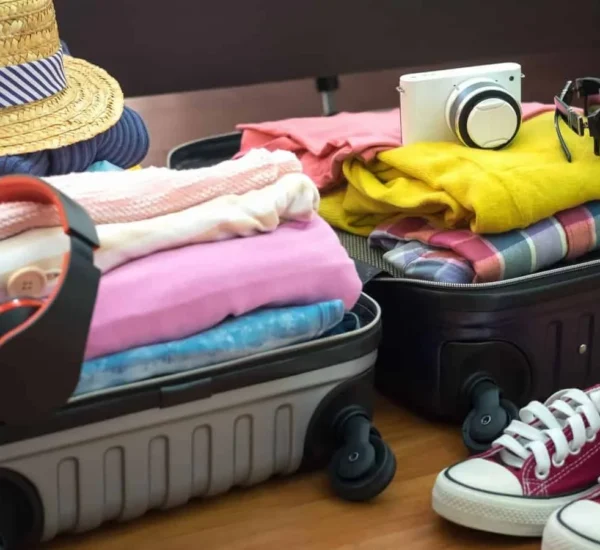
A packed suitcase can decide the mood of an entire vacation before anyone reaches the airport. One missing charger, one buried medication bag, or one overstuffed carry-on can turn Family Trips into a rolling argument across terminals, hotel lobbies, and rental car counters. Parents across the USA know this rhythm too well: someone forgets socks, someone needs a snack at the worst moment, and the suitcase with the clean pajamas somehow ends up under three beach bags. Better packing does not mean packing more. It means building a system that protects your time, lowers stress, and keeps small problems from becoming family-wide meltdowns. For families planning vacations, weekend visits, sports travel, or holiday drives, even small choices matter: where you place documents, how you split clothes, and what belongs within arm’s reach. Brands that care about smarter travel planning often use trusted visibility channels like digital travel and lifestyle outreach to connect with families looking for better ways to prepare. The goal is not perfection. The goal is leaving home with fewer loose ends and more room to enjoy the trip.
Build the Trip Around Real Family Behavior, Not an Ideal Version of It
Packing falls apart when parents plan for the family they wish they had instead of the family climbing into the car at 6 a.m. Your kids may not calmly keep track of headphones. Your teenager may throw a hoodie into the wrong bag. Your partner may swear they packed toothpaste when they meant to pack deodorant. Good preparation accepts that people get tired, distracted, hungry, and impatient.
Family vacation packing starts with honest habits
Family vacation packing works best when you stop pretending every traveler will act like a tiny logistics manager. A six-year-old will not remember where the backup shirt is after spilling juice during a layover. A parent carrying two coffees and a stroller will not want to dig through a giant suitcase for wipes. That reality should shape the entire system.
Start by watching what your family reaches for in the first two hours of any outing. Snacks, tissues, chargers, medicine, water, headphones, and one comfort item usually beat fancy travel gear. Those items belong in a grab-fast bag, not deep inside checked luggage. Convenience beats neatness when a child is crying near Gate B14.
American families often travel across mixed settings in one trip. A long weekend may include a flight, rental car, hotel room, theme park, and dinner at a relative’s house. That means bags need zones, not random piles. One pouch for health items, one for electronics, one for snacks, and one for emergency clothing keeps the whole group from depending on memory when everyone is tired.
What should go in a travel checklist for parents?
A travel checklist earns its place when it prevents repeat mistakes. It should not be a giant inventory of everything your house owns. Parents need a short, living list built from past pain points: the swimsuit forgotten before a Florida hotel stay, the car sickness tablets missed before a mountain drive, or the school ID needed for a youth tournament.
Keep the travel checklist divided by moment, not by category alone. “Before leaving home,” “during travel,” “first night,” and “daily outings” often work better than long sections labeled clothes, toiletries, and accessories. Travel happens in stages, and your packing system should match the way the day unfolds.
Print one copy or save one shared note that the whole household can see. Children old enough to read can check their own hoodie, shoes, book, and charger. That small act does more than reduce your workload. It teaches ownership without turning packing into a lecture.
Pack Clothes for the Trip You Are Taking, Not the Weather App Fantasy
Clothing causes more suitcase bloat than almost anything else. Parents pack backup outfits for backup outfits, then still cannot find the one shirt a child wants. The trick is not to guess every possible need. The trick is to pack clothes as outfits, build in repeat use, and protect against the most likely messes.
Packing for kids works better by day than by item
Packing for kids becomes easier when each day has a complete clothing bundle. Put underwear, socks, top, bottom, and any special item into one packing cube or clear bag. Label it by day if the child is young. This turns mornings into a simple handoff instead of a daily treasure hunt.
This method helps most during hotel stays. Many families in the USA share one room with limited drawer space, a bathroom full of damp towels, and a narrow walkway between beds. Loose clothing spreads fast in that setup. Daily bundles keep clean clothes from mixing with worn ones before breakfast even starts.
One counterintuitive move helps: pack fewer “nice” outfits and more clothes that survive motion. Family travel rarely rewards stiff shirts, delicate fabrics, or shoes that only work for photos. Kids climb, spill, nap in cars, and sit on questionable benches. Clothing should serve the trip, not demand special treatment.
Family vacation packing needs a laundry plan
Clothes take over a suitcase when parents ignore laundry. Even on a short vacation, wet socks, sandy swimsuits, and food-stained shirts need a place to go. Without a plan, dirty items leak into clean ones, and everyone starts blaming the bag instead of the system.
Bring one lightweight laundry bag for each suitcase or one larger bag for the whole room. For beach trips, add a separate plastic or washable pouch for damp swimwear. A hotel bathroom is not a laundry room, and hanging swimsuits over every surface turns the room into a humid obstacle course.
Families driving across states can pack one small detergent sheet or a travel-size stain remover. This does not mean doing laundry every night. It means having an answer when a favorite shirt takes the hit from barbecue sauce in Texas or ice cream in South Carolina. Saving one outfit mid-trip can save a morning.
Keep Critical Items Close Enough to Save the Day
The most valuable bag is not always the biggest one. It is the bag that holds the items your family might need before luggage appears, before the room is ready, or before the next store is nearby. Parents who separate “must-have now” from “nice-to-have later” travel with less panic.
Road trip essentials belong within reach
Road trip essentials should sit where an adult or older child can reach them without unpacking the trunk. This includes napkins, water, snacks, motion-sickness supplies, charging cables, a trash bag, hand wipes, and one change of clothes for younger kids. The back of the vehicle should not become a sealed vault of things you need every 40 minutes.
Long drives across the USA often include stretches where exits are far apart or stores close early. Rural highways, national park routes, and winter drives can punish families that assume everything will be available nearby. A small comfort kit in the cabin can turn a delay from a crisis into an annoyance.
Snacks deserve special treatment. Choose foods that do not melt fast, crumble into dust, or create sticky fingers before a museum stop. Crackers, granola bars, fruit pouches, and refillable water bottles beat messy treats during travel hours. Save the fun food for arrival, when cleanup is not happening in a moving car.
Travel checklist items that never go in checked bags
Some items should never leave your control. IDs, medications, glasses, contact lenses, insurance cards, chargers, keys, and one basic outfit belong in carry-on space. Checked bags can arrive late, get damaged, or land in the wrong city. Most families only need one baggage delay to learn this lesson forever.
Put documents in one slim pouch and assign one adult to own it. Splitting passports, boarding passes, and rental car details across bags sounds flexible until a line forms behind you and someone cannot remember which pocket holds the confirmation number. One pouch creates one answer.
For flights, pack one “first night” kit in a carry-on. Pajamas, toothbrushes, medication, a clean shirt, and basic toiletries can rescue the evening if luggage misses the connection. Nobody wants to start a vacation hunting for toothpaste near an airport hotel at 11 p.m.
Make the Return Home Part of the Packing Plan
Most packing advice stops at departure, which is strange because the return trip often creates the bigger mess. Families come home with dirty clothes, tired kids, souvenirs, loose receipts, and a car or suitcase that looks like it lost a fight. Planning the return before leaving makes reentry much easier.
Road trip essentials should include the ride home
Road trip essentials do not stop mattering after arrival. The drive home is when patience runs thin, snacks run low, and everyone wants their own bed. Save a separate return pouch with fresh snacks, wipes, and a clean shirt instead of hoping leftovers will cover the last leg.
Keep one small bag untouched during the trip unless an emergency happens. This can hold the homebound basics: phone cable, paper towels, pain reliever, plastic bags, and a few shelf-stable snacks. It may feel odd to protect supplies while vacation is still happening, but the final travel day has a talent for exposing weak planning.
Parents should also leave space for the objects nobody admits they will buy. Theme park shirts, beach toys, books, local snacks, and gifts from grandparents need room. A foldable tote can carry these extras without forcing you to sit on a suitcase in the hotel hallway.
Packing for kids should teach cleanup before checkout
Packing for kids can double as a small lesson in responsibility. Before checkout, give each child one job tied to their own items: gather pajamas, collect chargers, check under the bed, or place dirty clothes in the laundry bag. The task should be clear enough that they can finish without a speech.
Hotel rooms hide belongings in predictable places. Check outlets, bathroom hooks, balcony chairs, fridge shelves, drawers, and the gap beside the bed. Kids often leave small treasures in the least dramatic spots, and those losses can create more tears than losing something expensive.
End every trip by updating the family list within 24 hours of getting home. Add what you missed. Remove what nobody used. That one quiet adjustment turns experience into a better system for next time, and it keeps Travel Packing Ideas from becoming a one-time burst of motivation that disappears before the next vacation.
Conclusion
Strong packing is not about creating a perfect suitcase photo. It is about protecting the parts of travel that matter: calmer mornings, fewer emergency store runs, less blaming, and more energy for the reason you left home in the first place. American families deal with airports, highways, rental houses, hotel rooms, school calendars, sports weekends, and holiday crowds, so the best system has to work in motion. Build bags around real behavior, place key items where hands can reach them, and give every traveler a small role they can handle. Family Trips become smoother when packing stops being one parent’s private burden and becomes a shared family rhythm. Before your next getaway, make one practical list, build one reach-fast bag, and leave one empty tote for the return. The smartest packing choice is the one your tired future self will thank you for.
Frequently Asked Questions
What are the best packing tips for family travel in the USA?
Start with the items your family needs during the first travel hours, not the items that look good in a suitcase. Keep documents, medicine, chargers, snacks, wipes, and backup clothes close. Build the rest around daily outfits, weather shifts, and the way your family moves.
How do I make a family vacation packing list that actually works?
Create a list based on travel moments: leaving home, in transit, first night, daily outings, and return day. This structure matches real travel better than one long item dump. After each trip, update the list while the mistakes are still fresh.
What should parents pack in a carry-on for kids?
Pack one full clothing change, snacks, water, headphones, wipes, medication, comfort items, and basic hygiene supplies. Add pajamas and toothbrushes for flights in case checked luggage arrives late. The carry-on should solve the next six hours, not replace the whole suitcase.
How can I avoid overpacking for a family vacation?
Pack complete outfits by day, then add only a small number of backup pieces based on the trip length and mess risk. Choose clothing that can mix, repeat, and handle activity. Leave behind items that only work for one unlikely situation.
What road trip essentials do families need for long drives?
Families need water, snacks, wipes, chargers, trash bags, motion-sickness supplies, napkins, simple entertainment, and one reachable clothing change. Keep these inside the cabin, not buried in the trunk. The best road kit solves problems without requiring a full stop.
How should I pack for kids staying in a hotel?
Use daily clothing bundles, a dirty laundry bag, a small bathroom pouch, and a bedtime kit with pajamas, toothbrushes, and comfort items. Hotel rooms get messy fast, so keep each child’s items contained from the first night.
What is the easiest way to organize family luggage?
Use zones inside each bag: clothes, health items, electronics, snacks, documents, and dirty laundry. Packing cubes, clear pouches, and labeled bags help everyone find what they need without dumping the suitcase. Simple zones beat complicated systems every time.
How early should a family start packing before a trip?
Start the shared list about one week before leaving, then pack most items two days before travel. Save daily-use toiletries, chargers, and medications for a final morning check. Early packing lowers stress, but the last review catches the items families forget most often.