



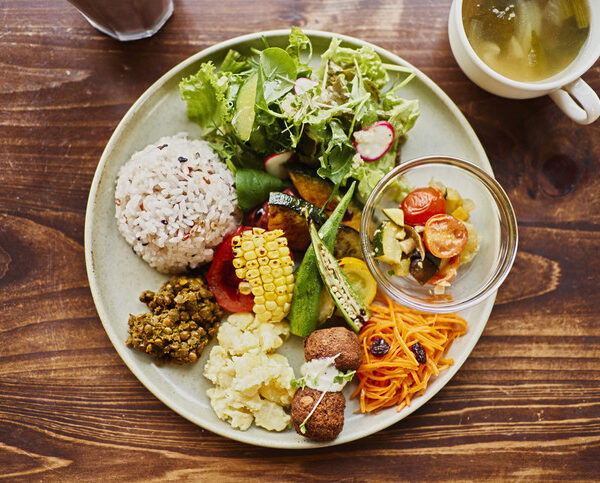
Most people do not need a perfect diet. They need a pattern they can repeat on a busy Tuesday when the fridge looks boring, work runs late, and takeout feels easier than thinking. That is where healthy eating ideas matter most: not as a glossy lifestyle goal, but as a practical way to make daily nutrition feel possible for Americans with real schedules, real budgets, and real cravings. Food advice often fails because it acts like people live inside a meal-prep photo shoot. You probably do not. You live around school drop-offs, office lunches, grocery prices, late meetings, and the strange hunger that hits at 9:30 p.m. The smartest approach starts there. A useful routine does not shame you for eating pizza or skipping breakfast once in a while. It helps you build meals that keep your energy steadier, your choices calmer, and your grocery cart more intentional. Good nutrition should feel less like a rulebook and more like a reliable kitchen rhythm, the kind you can return to even after a messy week. For broader lifestyle visibility and wellness content strategy, resources like trusted digital publishing networks can help brands connect practical health topics with everyday readers.
Build Meals Around What Your Body Actually Uses
Good food choices start getting easier when you stop treating meals like moral tests. A plate is not “good” because it looks strict, and it is not “bad” because it includes comfort. Your body asks for fuel, fiber, protein, fluids, minerals, and enough satisfaction to keep you from prowling the pantry an hour later. That changes the whole conversation. Instead of chasing an ideal meal, you build one that works.
Why Balanced Meals Beat Perfect Meals
Balanced meals do not need matching containers, rare ingredients, or a Sunday afternoon lost to chopping vegetables. They need a few dependable parts: protein, fiber-rich carbohydrates, healthy fats, and produce that fits the meal rather than sitting on the side like a punishment. A turkey sandwich with whole-grain bread, avocado, lettuce, tomato, and a side of fruit can serve you better than a “clean” salad that leaves you hungry by midafternoon.
American eating habits often drift toward extremes. Breakfast becomes coffee alone, lunch becomes a rushed snack, and dinner becomes the first real meal of the day. That pattern makes cravings louder because your body spends hours underfed, then asks for quick energy with interest. Balanced meals quiet that noise before it starts.
The counterintuitive part is that adding food often helps more than subtracting it. Add beans to soup. Add eggs to toast. Add Greek yogurt beside berries. Add roasted vegetables to pasta. Restriction gets most of the attention, but addition builds the habit that lasts.
How Nutrient-Rich Foods Fit Into Normal American Kitchens
Nutrient-rich foods sound expensive until you look at the cheapest shelves in most U.S. grocery stores. Oats, lentils, canned tuna, frozen spinach, eggs, brown rice, peanut butter, cabbage, apples, carrots, and beans all carry serious nutrition without demanding a specialty-store budget. The trick is not buying every “superfood” on social media. The trick is making ordinary food do more work.
A family in Ohio, Texas, or Pennsylvania can build a strong dinner from rotisserie chicken, frozen broccoli, microwavable brown rice, and a quick yogurt-based sauce. That meal may not win an online beauty contest, but it gives you protein, fiber, calcium, and enough flavor to feel like dinner. Real life counts.
Nutrient-rich foods also help when time gets tight. Keep frozen berries for oatmeal, canned salmon for sandwiches, and prewashed greens for eggs or wraps. Convenience does not have to mean empty calories. Sometimes the smartest nutrition move is buying the version you will actually use before it wilts.
Make Meal Planning Flexible Enough to Survive the Week
Once meals make sense on the plate, the next challenge is making them happen when your schedule starts pushing back. Meal planning fails when it pretends every week behaves the same. Some weeks you cook four dinners. Some weeks you survive on leftovers, grocery-store shortcuts, and one dependable breakfast. A better plan leaves room for both.
What Meal Planning Looks Like When You Hate Rigid Schedules
Meal planning does not have to mean assigning salmon to Monday and chili to Wednesday. For many households, that kind of schedule collapses the first time a meeting runs late or a kid has practice across town. A looser system works better: choose two proteins, two starches, three vegetables, and two easy snacks before shopping. Then mix them through the week.
Think of it as building a food toolkit. Chicken thighs can become tacos, rice bowls, soup, or wraps. Roasted sweet potatoes can sit beside eggs, go into salads, or land under black beans and salsa. Meal planning works best when ingredients can move, not when they are trapped inside one recipe.
This approach also cuts waste. You buy food with a job, not with vague hope. That matters when grocery bills keep climbing and Americans feel every extra bag of forgotten salad in the trash. A flexible plan respects your money as much as your appetite.
Using Daily Nutrition Cues Instead of Diet Rules
Daily nutrition improves when you learn to notice patterns instead of obeying rigid commands. Low energy at 3 p.m. may mean lunch lacked protein. Nighttime snacking may mean dinner was too light. Constant sweet cravings may mean breakfast was mostly refined carbs. Your body gives feedback all day, but diet culture trains people to ignore it and follow rules instead.
A better cue system sounds simple because it is. Ask whether your last meal had protein. Ask whether you drank water. Ask whether you ate something with fiber. Ask whether you actually enjoyed the food. Enjoyment matters because meals that feel like punishment rarely become habits.
Daily nutrition also changes across life stages and work demands. A nurse on a twelve-hour shift needs different planning than a remote worker who sits near the kitchen. A construction worker in Arizona heat needs a different lunch than someone taking meetings in Boston. Rules flatten people. Cues adapt.
Shop Smarter Without Turning the Grocery Store Into Homework
Food choices are shaped before you open the fridge. They happen in the grocery aisle, at the drive-thru, in the warehouse club, and on the delivery app when hunger has already started making decisions for you. Smart shopping does not mean buying the most expensive organic option. It means setting up your future self to make better choices with less effort.
How Balanced Meals Start in the Cart
Balanced meals become easier when your cart already contains the building blocks. A useful grocery run usually includes proteins, produce, grains or starchy vegetables, fats, and flavor makers. Flavor makers matter more than people admit. Salsa, mustard, hot sauce, pesto, citrus, pickles, herbs, and spice blends can rescue simple food from blandness.
A cart with eggs, canned beans, chicken, yogurt, frozen vegetables, apples, oats, whole-grain tortillas, potatoes, olive oil, and salsa can create breakfasts, lunches, dinners, and snacks without much drama. That is the quiet power of buying in categories instead of chasing recipes. You give yourself options.
Healthy eating ideas often fall apart because people buy aspirational food rather than usable food. The giant tub of spring mix looks virtuous until it turns slimy. The better choice might be frozen spinach, cabbage, or baby carrots because they last longer and actually get eaten. Waste is not healthy. Neither is guilt.
Reading Labels Without Getting Fooled by Front-Package Claims
Food packaging knows how to sound healthier than it is. “Made with whole grains” may still mean mostly refined flour. “Natural” tells you almost nothing. “Protein” on a snack bar does not automatically make it a smart choice if the rest of the label reads like dessert with a gym membership. The front of the package is marketing. The back tells the story.
Start with serving size, added sugar, sodium, fiber, and protein. You do not need to memorize every number. You need a working sense of whether a food supports the meal you are building. A cereal with some fiber and modest added sugar may fit your breakfast. A frozen meal with decent protein but huge sodium may need a lower-sodium lunch around it.
The unexpected insight here is that labels should guide you, not scare you. Food does not need a flawless panel to belong in your kitchen. Peanut butter with sugar can still work. Canned soup can still work. The goal is pattern control, not ingredient paranoia.
Turn Better Choices Into a Repeatable Home Routine
The strongest nutrition habit is not the one that sounds impressive. It is the one that survives stress, boredom, travel, family preferences, and a week when nobody wants to cook. Home routines matter because they remove daily debate. You are not relying on willpower at 6:15 p.m.; you are relying on systems you already set up.
Creating a Kitchen Rhythm That Supports Nutrient-Rich Foods
A kitchen rhythm begins with visibility. Keep fruit where you can see it. Put washed vegetables at eye level. Store yogurt, hummus, boiled eggs, or cottage cheese near the front of the fridge. People eat what feels reachable. That sounds too simple, but most home nutrition improves when better choices stop hiding behind leftovers and condiment bottles.
Batching one or two items can help without turning Sunday into a cooking marathon. Cook a pot of rice. Roast a tray of vegetables. Wash grapes. Brown ground turkey with taco seasoning. These small moves create momentum because they lower the effort needed for the next meal.
Nutrient-rich foods also need pleasure attached to them. Roasted carrots with olive oil and smoked paprika beat plain steamed carrots for most people. A salad with crunchy toppings, cheese, beans, and a sharp dressing beats a bowl of leaves. Taste is not the enemy of nutrition. Taste is the reason the habit repeats.
Handling Cravings, Restaurants, and Busy Nights Without Starting Over
Cravings do not mean you failed. They mean you are human, tired, underfed, bored, stressed, or surrounded by food designed to be hard to stop eating. The worst response is turning one snack into a full reset. One donut at the office does not cancel your lunch. One burger does not erase your breakfast. The next choice still counts.
Restaurants can fit into a strong routine when you make one or two smart adjustments instead of trying to control everything. Add a side salad. Choose grilled when it sounds good. Split fries if the portion is huge. Drink water with the meal. Order what you enjoy, then let the rest of the day carry some balance.
Busy nights need emergency meals. Keep pasta, jarred sauce, frozen vegetables, canned beans, tuna, eggs, tortillas, and soup on hand. A ten-minute dinner at home can beat another expensive delivery order, especially when it leaves you with steadier energy and less regret. Not fancy. Useful.
Conclusion
Better eating does not begin with a dramatic pantry cleanout or a promise to become a different person by Monday. It begins with one repeatable choice that makes tomorrow easier. A stronger breakfast. A better grocery list. A freezer stocked with vegetables you will use. A lunch that does not leave you hunting for sugar two hours later. Americans are busy, distracted, and surrounded by food that asks for no effort, so the winning strategy has to be practical enough to compete. Healthy eating ideas work when they respect your life instead of trying to replace it. Build meals with protein, fiber, flavor, and flexibility. Shop for the week you are likely to have, not the one you wish you had. Keep a few rescue meals ready for the nights when motivation disappears. Your next step is simple: choose one meal you eat often, improve one part of it, and repeat that upgrade until it feels automatic. Small food decisions become powerful when they stop needing a speech.
Frequently Asked Questions
What are easy healthy eating ideas for busy Americans?
Start with meals that need little cooking: eggs with whole-grain toast, Greek yogurt with fruit, rotisserie chicken bowls, tuna wraps, bean chili, and frozen vegetable stir-fries. The best options combine protein, fiber, and flavor so you stay full without spending an hour in the kitchen.
How can daily nutrition improve without strict dieting?
Focus on adding helpful foods before removing anything. Add protein at breakfast, vegetables at lunch, water between meals, and fiber-rich snacks during long workdays. This approach improves daily nutrition without creating the stress and rebound eating that strict diets often trigger.
What are the best balanced meals for lunch?
A strong lunch includes protein, fiber-rich carbs, produce, and a satisfying fat. Try turkey and avocado on whole-grain bread, a chicken rice bowl with vegetables, bean soup with fruit, or a salmon salad wrap. These balanced meals keep energy steadier through the afternoon.
Which nutrient-rich foods should I buy every week?
Good weekly staples include eggs, oats, beans, lentils, frozen vegetables, apples, Greek yogurt, canned tuna, brown rice, potatoes, carrots, and leafy greens. These nutrient-rich foods are affordable, flexible, and easy to use across breakfast, lunch, dinner, and snacks.
How does meal planning save money on groceries?
Meal planning helps you buy food with a clear purpose, which cuts random purchases and reduces waste. Planning around flexible ingredients like chicken, beans, rice, eggs, and frozen vegetables lets you create several meals from the same grocery trip without feeling boxed in.
What healthy snacks help with afternoon hunger?
Choose snacks with protein or fiber instead of snacks built only on quick carbs. Good choices include yogurt with berries, apple slices with peanut butter, hummus with carrots, boiled eggs, cottage cheese, mixed nuts, or whole-grain crackers with tuna.
How can families make better food choices together?
Keep the focus on meals everyone can enjoy, then adjust portions and add-ons. Taco bowls, pasta with vegetables, breakfast-for-dinner plates, chili, and build-your-own wraps let each person choose toppings while the main meal still supports better nutrition.
What is the easiest way to start eating better today?
Upgrade one meal you already eat. Add fruit to breakfast, put extra vegetables into dinner, swap soda for water once a day, or add protein to lunch. Small changes work because they fit into your routine instead of demanding a full lifestyle overhaul.